
The Benefits of Tamarind Seed

Benefits Tamarind Seed (Tamarindus indica) is a tropical tree native to Africa but widely grown in various regions, especially in India and Southeast Asia. While tamarind pulp is celebrated for its tangy flavor and culinary uses, tamarind seeds often go unnoticed. However, these seeds are packed with a wealth of health benefits that make them worthy of attention. In this article, we will explore the numerous benefits of tamarind seeds, backed by research and traditional knowledge.
Nutritional Profile of Tamarind Seeds
Tamarind seeds are rich in nutrients, making them a valuable addition to your diet. They are a good source of dietary fiber, proteins, and essential fatty acids. Furthermore, they contain significant amounts of vitamins and minerals, including calcium, potassium, magnesium, and iron. The seeds also provide antioxidants, which help combat oxidative stress in the body.
- Rich in Antioxidants
One of the standout benefits of tamarind seeds is their high antioxidant content. Antioxidants are compounds that help neutralize free radicals, which can cause cellular damage and contribute to chronic diseases. The presence of flavonoids and phenolic compounds in tamarind seeds enhances their antioxidant properties, promoting overall health and longevity. - Supports Digestive Health
Tamarind seeds are known for their potential benefits in improving digestive health. Constipation is avoided and regular bowel movements are encouraged by the high fiber content. Additionally, the seeds contain natural laxative properties, making them beneficial for individuals suffering from digestive disorders. - Anti-Inflammatory Properties
The anti-inflammatory properties of tamarind seeds can help alleviate various inflammatory conditions in the body. Chronic inflammation is linked to several health issues, including heart disease, diabetes, and arthritis. Consuming tamarind seeds may reduce inflammation and promote overall health. - Weight Management
Incorporating tamarind seeds into your diet may support weight management. By increasing feelings of fullness, the fiber content lowers total caloric consumption. Additionally, tamarind seeds are low in fat and calories, making them an excellent snack option for those looking to manage their weight. - Blood Sugar Regulation
Research suggests that tamarind seeds may play a role in regulating blood sugar levels. The seeds contain compounds that can improve insulin sensitivity and reduce the risk of developing type 2 diabetes. Including tamarind seeds in your diet may be particularly beneficial for individuals with insulin resistance. - Heart Health
The cardiovascular benefits of tamarind seeds are noteworthy. They can help lower cholesterol levels, reducing the risk of heart disease. The presence of potassium in tamarind seeds also helps maintain healthy blood pressure levels, further contributing to heart health. - Boosts Immunity
Tamarind seeds are rich in vitamins and minerals that can enhance the immune system. The antioxidants present in the seeds help protect the body from infections and diseases. A strong immune system is crucial for overall health, making tamarind seeds a valuable addition to your diet. - Skin Health
The antioxidants and anti-inflammatory properties of tamarind seeds extend to skin health as well. They can help improve skin elasticity, reduce signs of aging, and promote a clearer complexion. Some traditional practices even use tamarind seed powder as a natural exfoliant. - Dental Health
Tamarind seeds possess antimicrobial properties that can benefit oral health. They can help fight against oral bacteria, reducing the risk of cavities and gum disease. Chewing on tamarind seeds may also promote healthier gums and fresher breath. - Traditional Medicinal Uses
There are several uses for tamarind seeds in traditional medicine. They are believed to have diuretic properties, which can help eliminate excess fluids from the body. Additionally, tamarind seeds have been used to treat conditions such as diarrhea and dysentery. - Culinary Uses
While often overlooked, tamarind seeds can also be used in cooking. They can be roasted and consumed as a healthy snack or ground into flour for use in various recipes. The seeds can add a unique flavor and nutritional boost to dishes. - Eco-Friendly and Sustainable
Using tamarind seeds is also an environmentally friendly choice. By utilizing the entire tamarind fruit, including the seeds, we reduce waste and promote sustainability. This aligns with growing trends toward zero-waste cooking and sustainable eating.
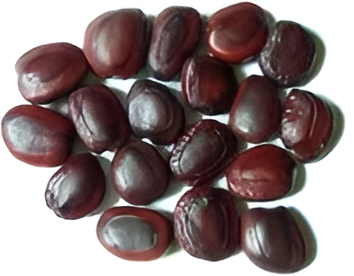
How to Incorporate Tamarind Seeds into Your Diet
Incorporating tamarind seeds into your diet can be easy and enjoyable. Here are a few ideas:
Roasted Seeds: Roast tamarind seeds for a crunchy snack. You can season them with spices for added flavor.
Tamarind Seed Powder: Grind the seeds into a fine powder and use it in smoothies, soups, or baking.
Infusions: Make a herbal infusion by boiling tamarind seeds in water, then strain and drink for health benefits.
Add to Salads: Chopped or crushed tamarind seeds can add texture to salads and grain bowls.
Conclusion
The benefits of tamarind seeds are extensive and varied, making them a valuable addition to a healthy diet. From their antioxidant properties to their potential role in supporting digestive health and weight management, tamarind seeds offer numerous advantages. Whether you enjoy them roasted, as a powder, or in culinary dishes, incorporating tamarind seeds can enhance your overall well-being.
As with any health supplement, it’s important to consult with a healthcare professional before making significant changes to your diet, especially if you have existing health conditions or concerns. With their rich nutritional profile and myriad benefits, tamarind seeds deserve a place in your pantry.